Immunoglobe Initiative – Mapping immune diversity across populations and time

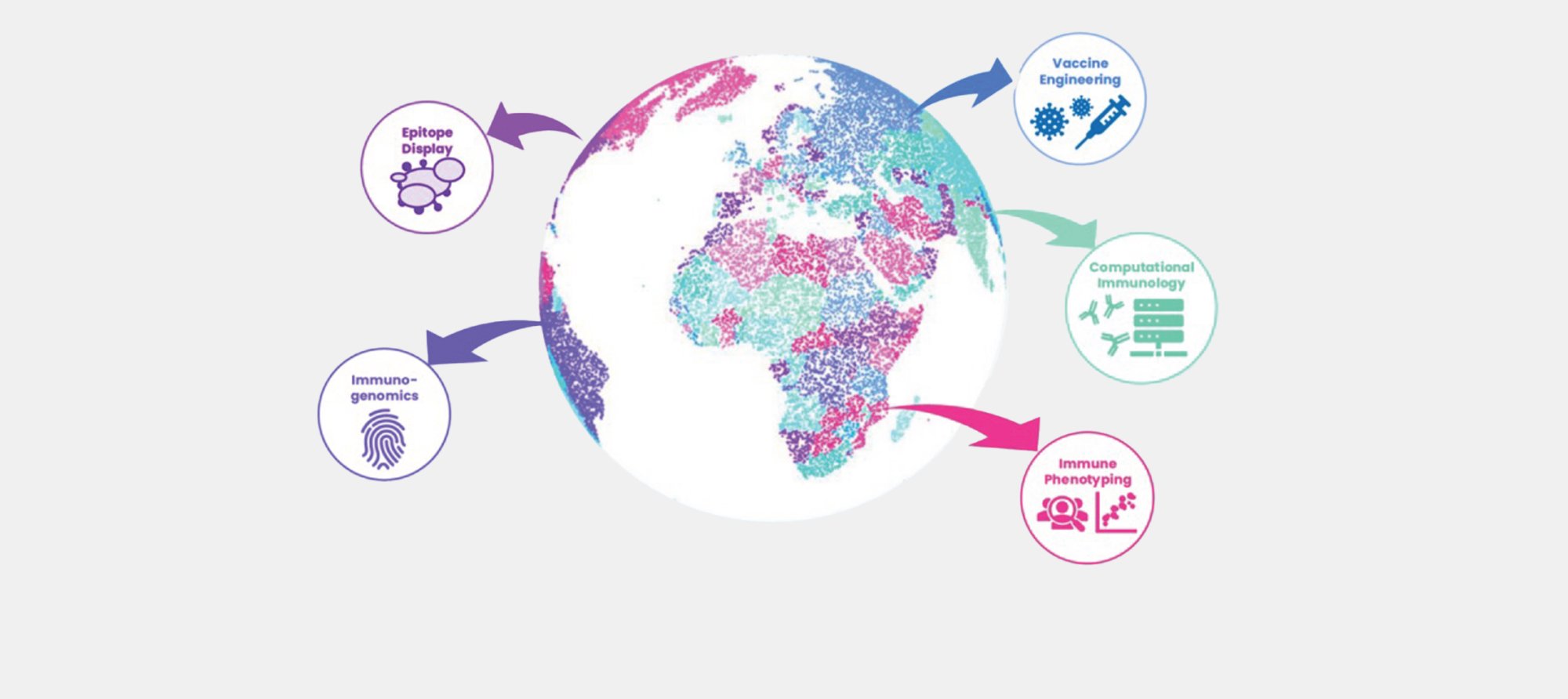
The Immunoglobe Initiative (IgI) aims to profile the cellular and molecular diversity underlying immune responses across various geographic and pediatric age populations. By understanding and mapping global immune diversity, this unique initiative will uncover equitable immune signatures that can be harnessed for translational solutions such as improved diagnosis, original therapeutic opportunities, novel preventative measures such as vaccines and a detailed prediction of disease course and intervention efficacy.

Specifically, the Immunoglobe Initiative seeks to quantify health and immune diversity across time and space to identify informative biomarkers for states of health and disease, to develop novel immune profiling technologies, and to provide open-access software, reference databases, as well as educational materials related to BIIE’s mission.

The Immunoglobe Initiative maps high-dimensional immune fingerprints, exemplified by clonal convergence, B-cell evolution, and transcriptional phenotypes, to reveal how the immune system develops across time and space
The Immunoglobe Initiative maps high-dimensional immune fingerprints, exemplified by clonal convergence, B-cell evolution, and transcriptional phenotypes, to reveal how the immune system develops across time and space.
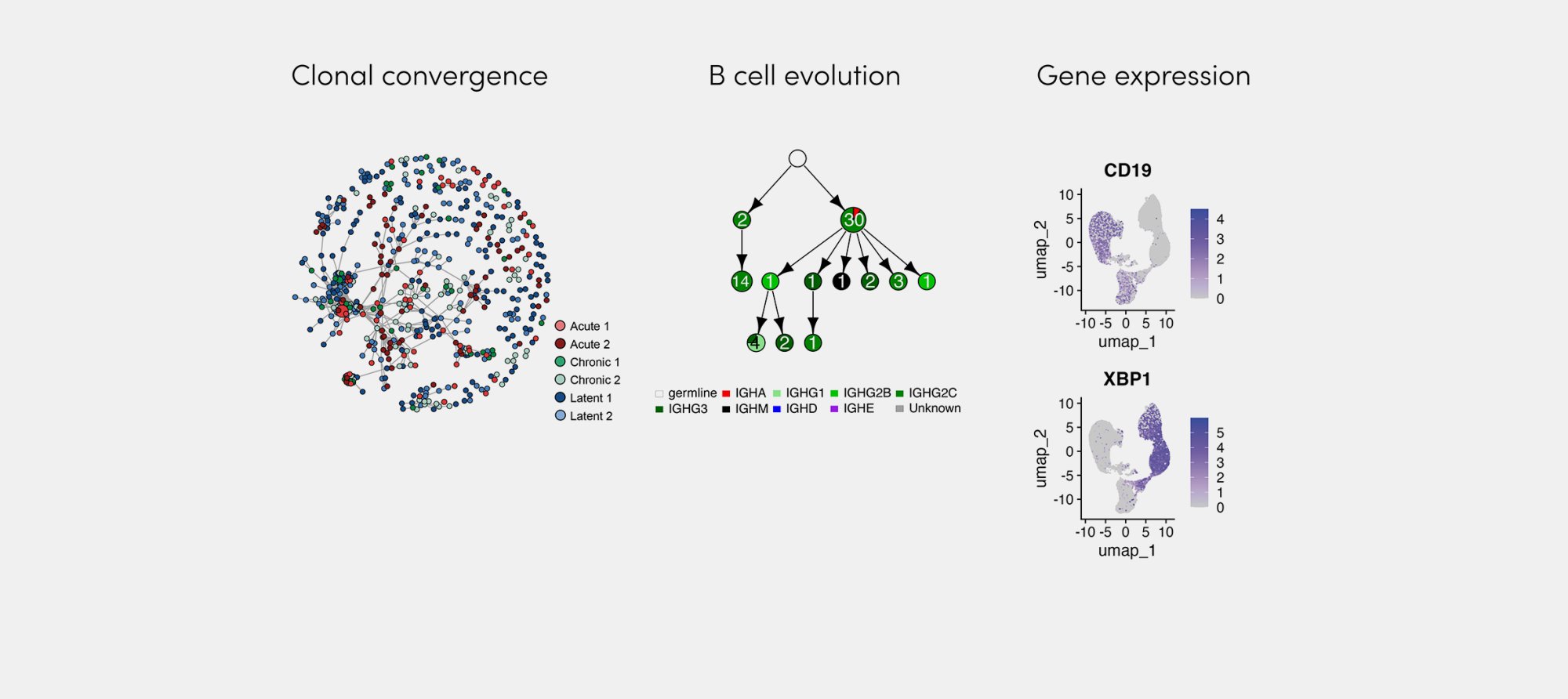
The Immunoglobe Initiative maps high-dimensional immune fingerprints, exemplified by clonal convergence, B-cell evolution, and transcriptional phenotypes, to reveal how the immune system develops across time and space
The Immunoglobe Initiative maps high-dimensional immune fingerprints, exemplified by clonal convergence, B-cell evolution, and transcriptional phenotypes, to reveal how the immune system develops across time and space.

Research Focus

Generating Global Immune Fingerprints:

  • We apply high-dimensional immune profiling technologies to comprehensively map immune cell states, protein expression, transcriptional programs, and tissue organization. Using approaches such as spectral flow cytometry, multi-omics sequencing, proteomics, and spatial analyses, we generate deep insights into immune composition and function across samples.

Profiling immune repertoires:

  • We investigate immune diversity by sequencing B and T cell repertoires at both single-cell and bulk levels to capture clonal expansion, convergence, and allelic variation. In parallel, we perform genomic profiling, including SNP genotyping, low-pass whole genome sequencing with imputation, HLA typing, and specialized pipelines for BCR/TCR allele discovery, to link genetic variation with immune responses.

Mapping functional immune recognition:

  • We leverage advanced antibody and receptor profiling technologies to map immune specificities. We characterize monoclonal and polyclonal antibodies, generate BCR/TCR display libraries, and create diverse epitope display platforms to uncover binding, affinity, and neutralization landscapes across health and disease.

Computational Immunogenomics:

  • We develop computational pipelines and machine learning approaches to integrate high-dimensional multi-omics and immune repertoire data, enabling the discovery of biomarkers and therapeutic candidates. Through immunogenetics, predictive modeling, and the Immunoglobe Initiative, we advance patient stratification, treatment optimization, and provide open-access tools and resources for the community.